Endangered Flying Species
Discover about endangered flying species. Learn more about their habitats, number, and threats.
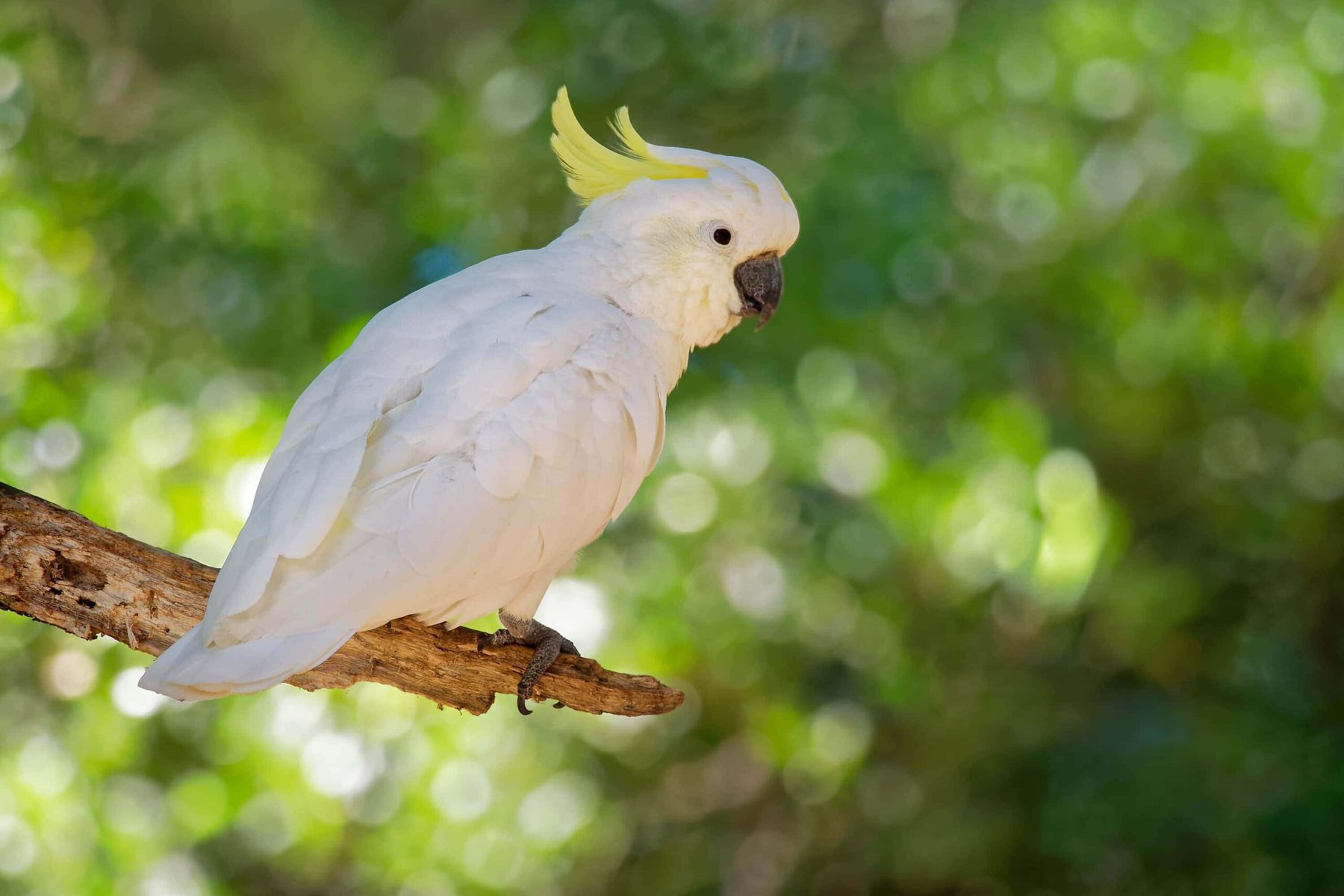
Yellow-crested cockatoo
Population: 1200-2000
Description: The yellow-crested cockatoo, a medium sized white parrot native to Indonesia and Timor-Leste, is critically endangered. There are an estimated 1200-2000 individuals remaining in the wild, and their population is sadly still decreasing. The yellow-crested cockatoo’s decline is primarily due to cage-bird trade and trafficking, which effectively became illegal in 1994 after being included in Appendix I of CITES; however, illegal trapping of these birds continues in many areas. Because they breed in large tree hollows, logging and agriculture also indirectly threaten their survival.
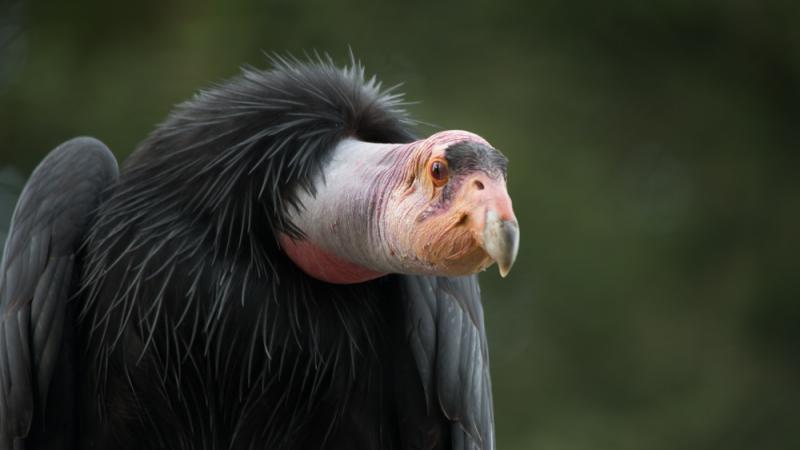
California Condor
Population: 93
Description: The California condor is critically endangered, and their primary threat has historically been lead poisoning. This occurs due to the bullets used in hunting, which has also contributed to the California condor’s decline. One study found that one-third of California condors had toxic levels of lead in their blood. Other threats to this species include the use of the pesticide DDT, ingestion of trash, and west Nile virus.
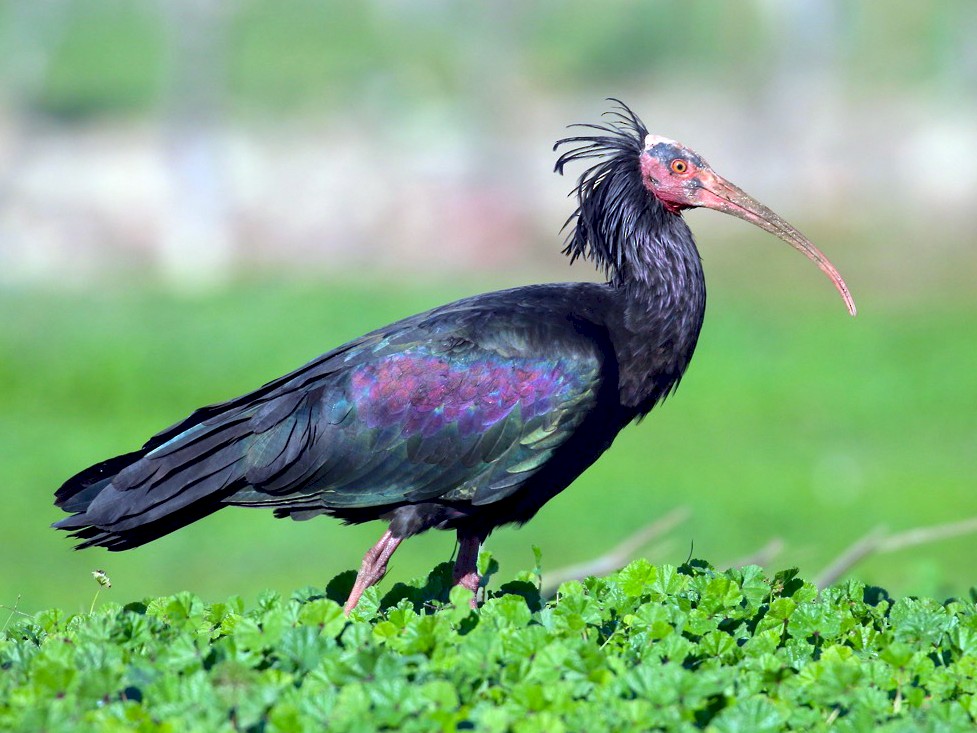
Northern Bald Ibis
Population: 250
Description: The northern bald ibis, a large black bird with a red face and long, curved bill, is endangered due to a combination of factors—different threats are affecting different populations. Hunting was the main threat to the northern bald ibis population in Syria, and it was last seen in the wild through a single female that migrated south destined for wintering in Ethiopia in 2015. In Turkey, poisoning and reduced breeding success due to pesticides has posed a major threat. The Morocco population has faced illegal building and changes in farming that have disturbed their habitats.
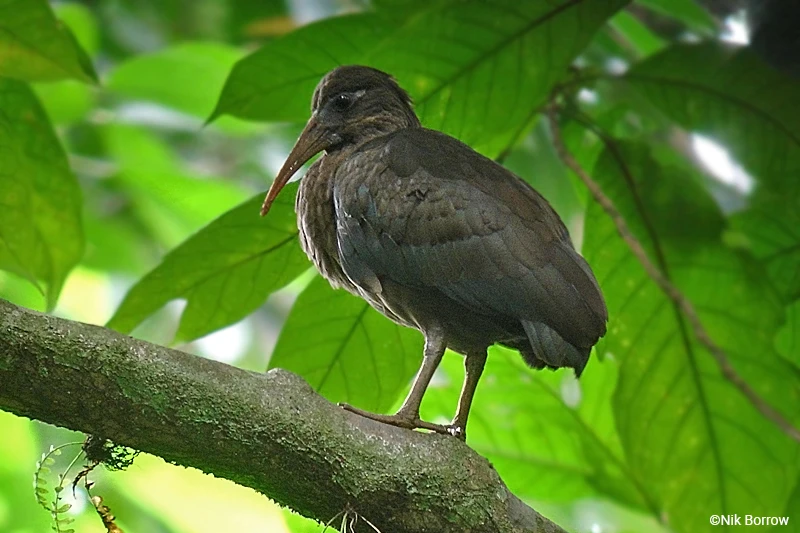
Dwarf Ibis
Population: 1700
Description: Dwarf Ibises are long-legged wading birds in the family Threskiornithidae. They have long, downcurved bills, which they use to poke around in the mud for crustaceans. The dwarf ibis, also known as the São Tomé ibis or dwarf olive ibis (thanks to its dark green colour), is a critically endangered species of ibis native to the island of São Tomé, off the coast of West Africa.
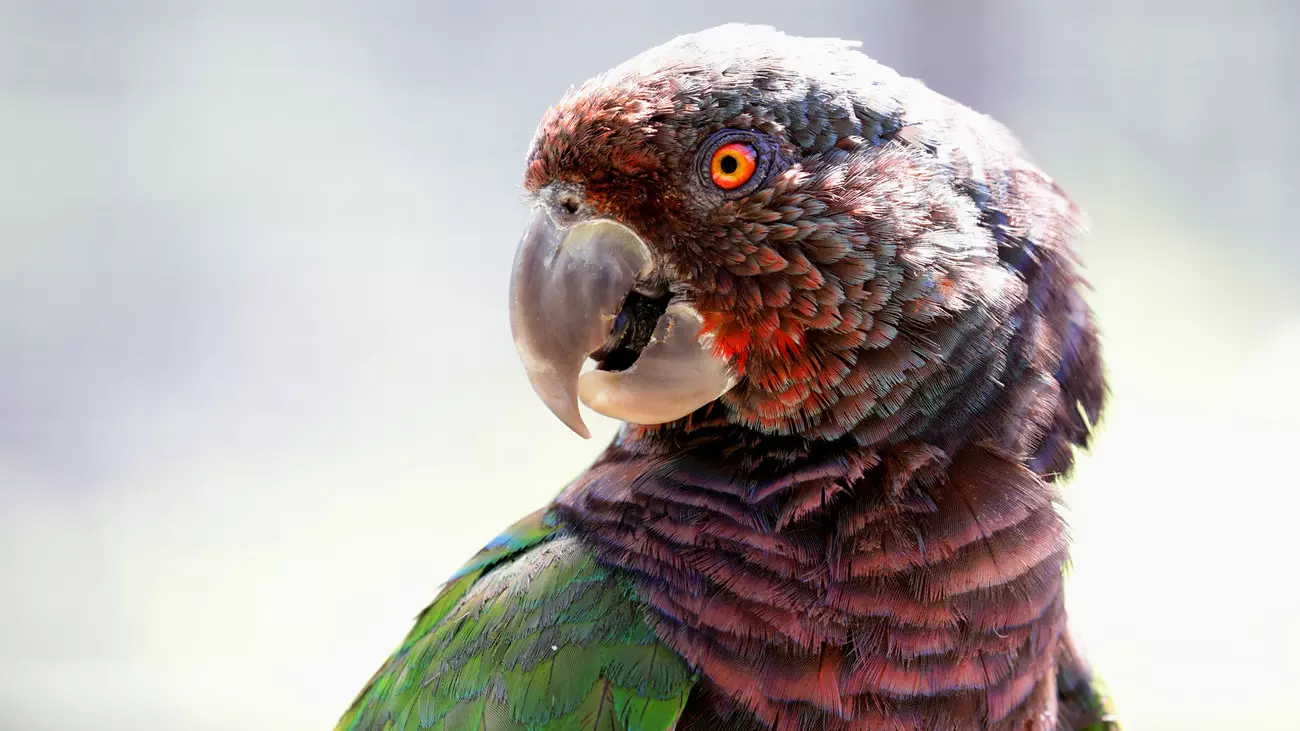
Amazon Parrot
Population: 60
Description: Native to the island of Dominica, there are only 60 remaining imperial Amazon parrots. The primary threat they face is habitat degradation and loss due to hurricane damage. In 2017, Hurricane Maria destroyed 30% of Dominica’s forest cover, forcing imperial Amazons to forage outside of their usual habitat. Climate change is only worsening the severity of hurricanes.
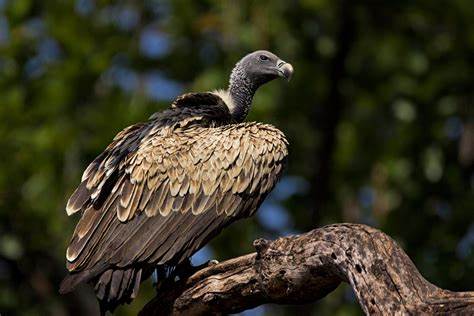
Indian Vulture
Population: 15000
Description: Livestock animals had been treated with diclofenac, a non-steroidal, anti-inflammatory drug, the vultures ingested this drug and were killed as a result. This has caused significant mortalities among the Indian vulture population. Other drugs used to treat livestock have also been found to be toxic to vultures. Despite regulations, these drugs still threaten the survival of the species.
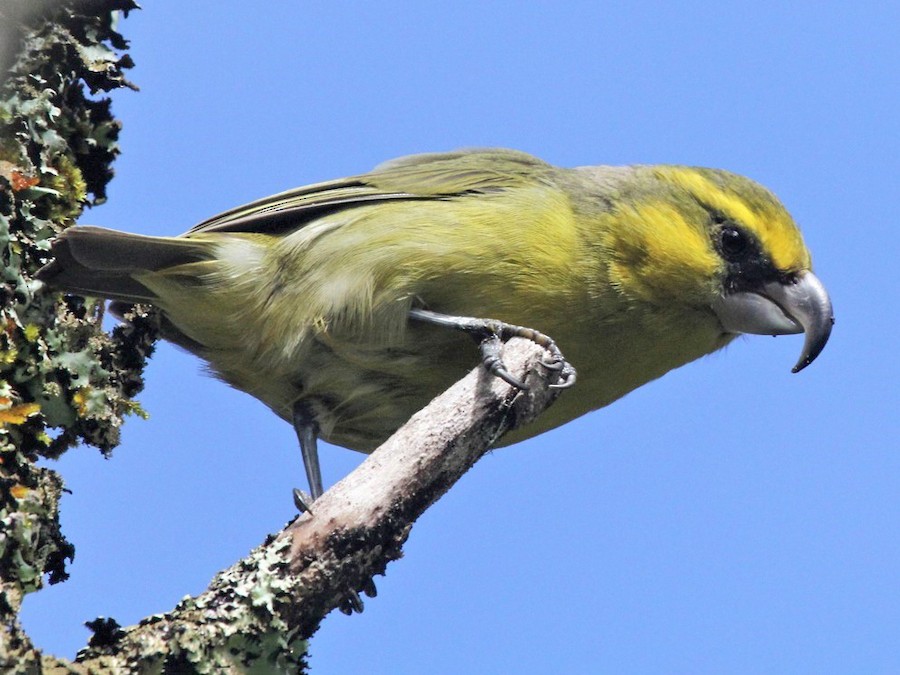
Maui Parrotbill
Population: 540
Description: The Maui parrotbill is a species of Hawaiian honeycreeper, which is a member of the finch family. It’s a small, yellow-green bird with a peculiar, hooked beak resembling that of a parrot—but the parrotbill is unrelated to the parrot family. Despite its small size, this beak is powerful—they use it to remove bark and wood from trees to eat the insects that live underneath.
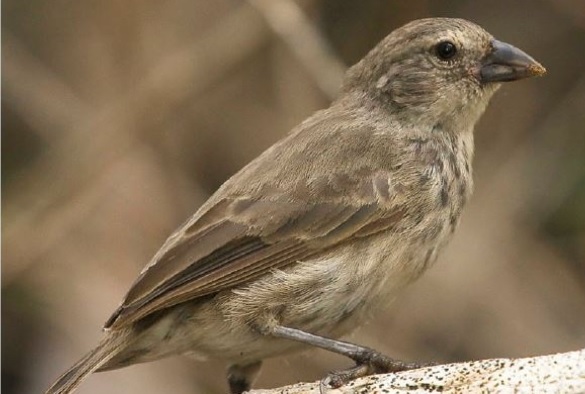
Mangrove Finch
Population: 40
Description: The mangrove finch is a species in Darwin’s finch group, part of the tanager family, with dull brown, olive-toned, and white plumage. It’s native to the Galápagos. As Darwin famously observed in this group of finches, the Mangrove finch has a beak specially adapted for its diet. Its long, pointed beak is used for lifting the scales of tree bark to grab insects underneath them.