Endangered Land Species
Discover about endangered land species. Learn more about their habitats, number, and threats.
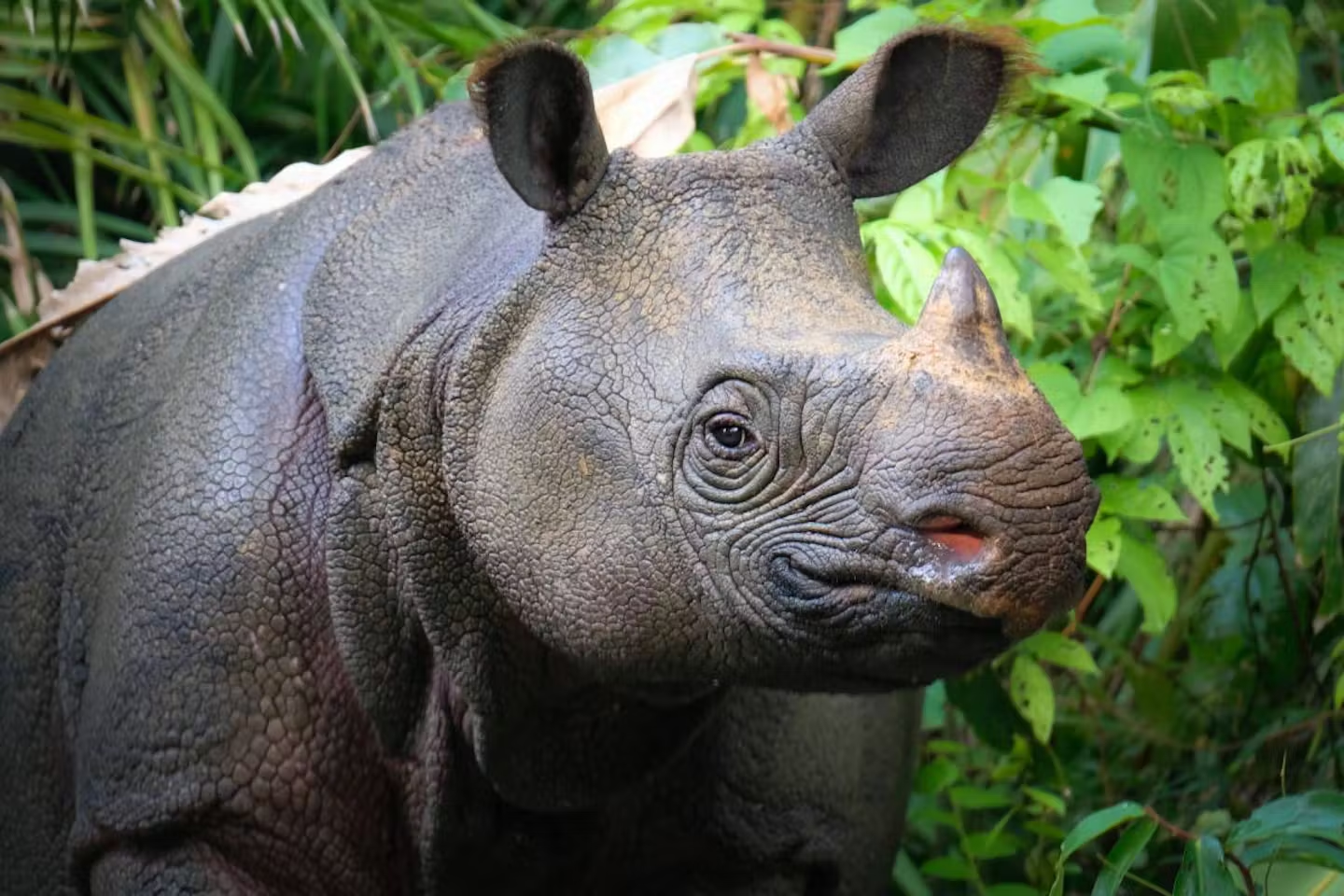
Javan Rhino
Population: 75
Description: Once found throughout south-east Asia, Javan rhinos have suffered a staggering decline in their numbers due to hunting and habitat loss. The lone wild population of Javan rhinos is one of the rarest of the rhino species—around 75 individuals—which can only be found on the island of Java, Indonesia. The Ujung Kulon National Park, a World Heritage Site, is the last remaining refuge of Javan rhinos. But the area also suffers from the invading Arenga palm, leaving the rhinos with less food to eat and less habitat to roam. Besides, the small Javan rhino population is also extremely vulnerable to extinction due to natural catastrophes, disease, poaching and potential inbreeding.
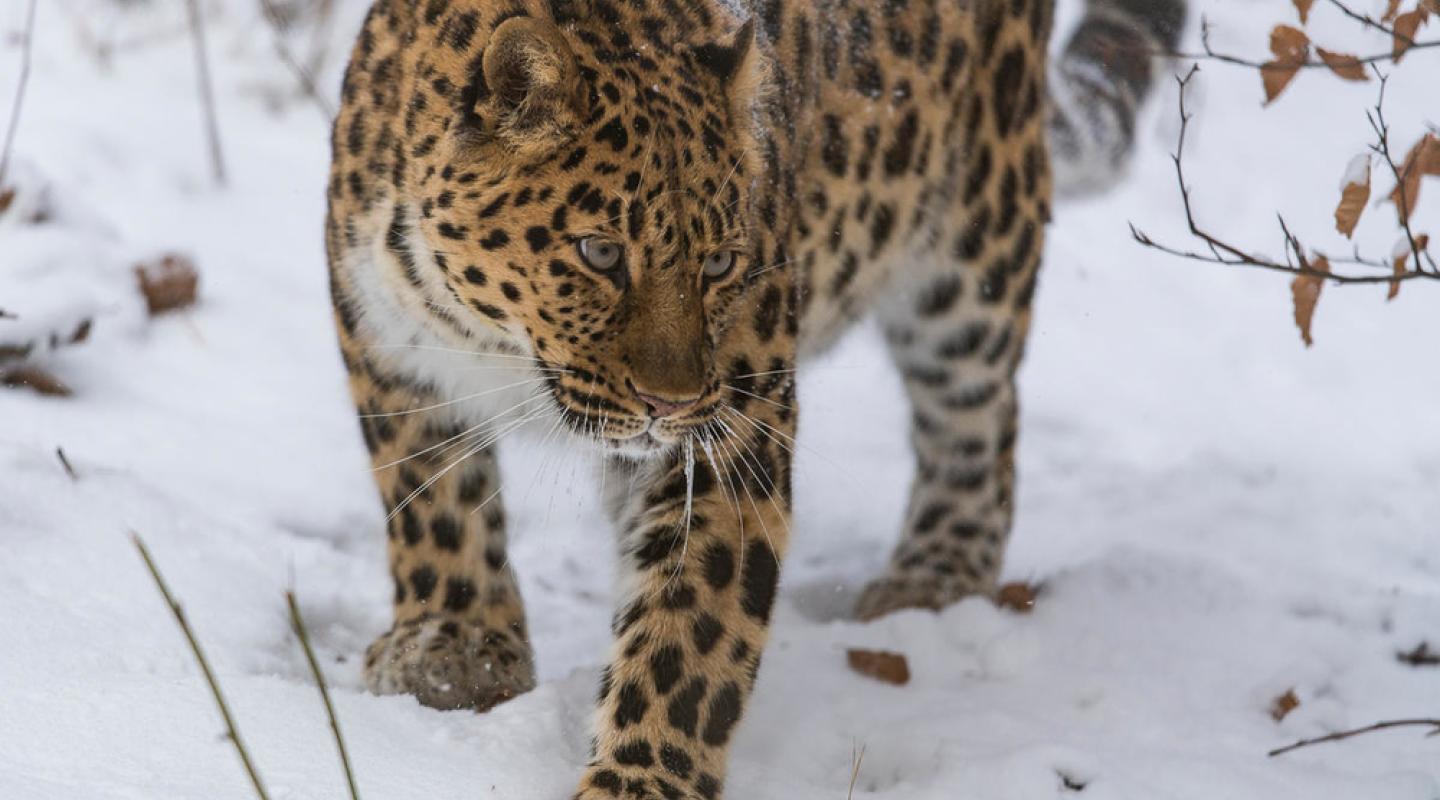
Amur Leopard
Population: 100
Description: Amur leopards can only be found in a relatively small region of the far east of Russia and north-eastern China at present. The remaining Amur leopards face multiple threats to their survival, including habitat loss and fragmentation, prey scarcity and transportation infrastructure such as roads. However, there is hope for this rare big cat. Around 75% of their home range lies in protected areas in Russia and China, and they are also moving into suitable habitats outside of these protected areas.
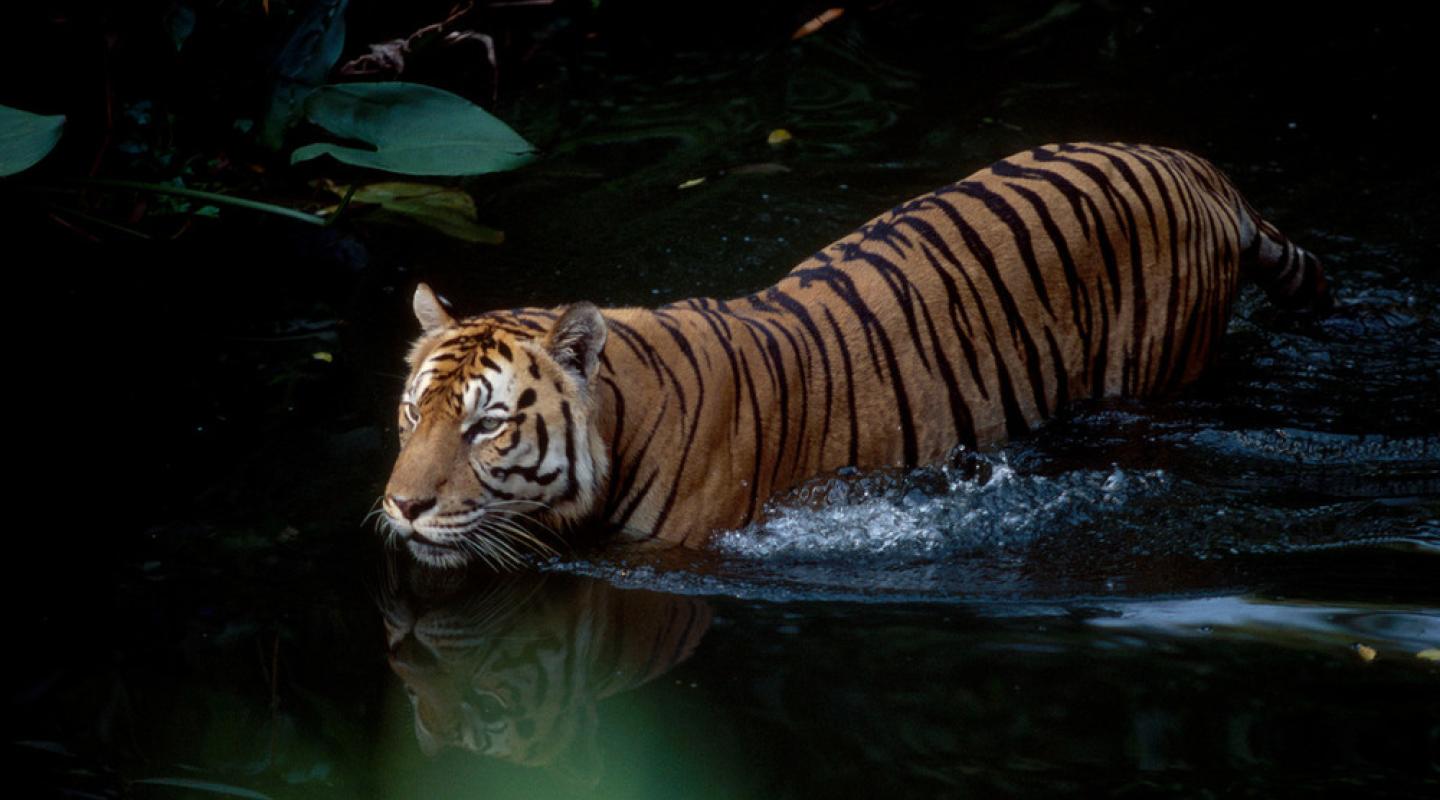
Sumatran Tiger
Population: 600
Description: The Sumatran tiger, is the smallest tiger subspecies in the world, weighing up to 140kg. For reference, the tigers that live in the Amur region are the biggest of all the big cats where males can weigh up to twice as much as Sunda Island tigers. They are also very rare - there are estimated to be around 600 in the wild, and are only found on the Indonesian island of Sumatra. As human settlements expand in the region, Sunda Island tigers are increasingly likely to encounter people, which could lead to a further rise in human-tiger conflict. Tiger poaching and illegal trading of tiger parts and products are also of serious concern to their survival.
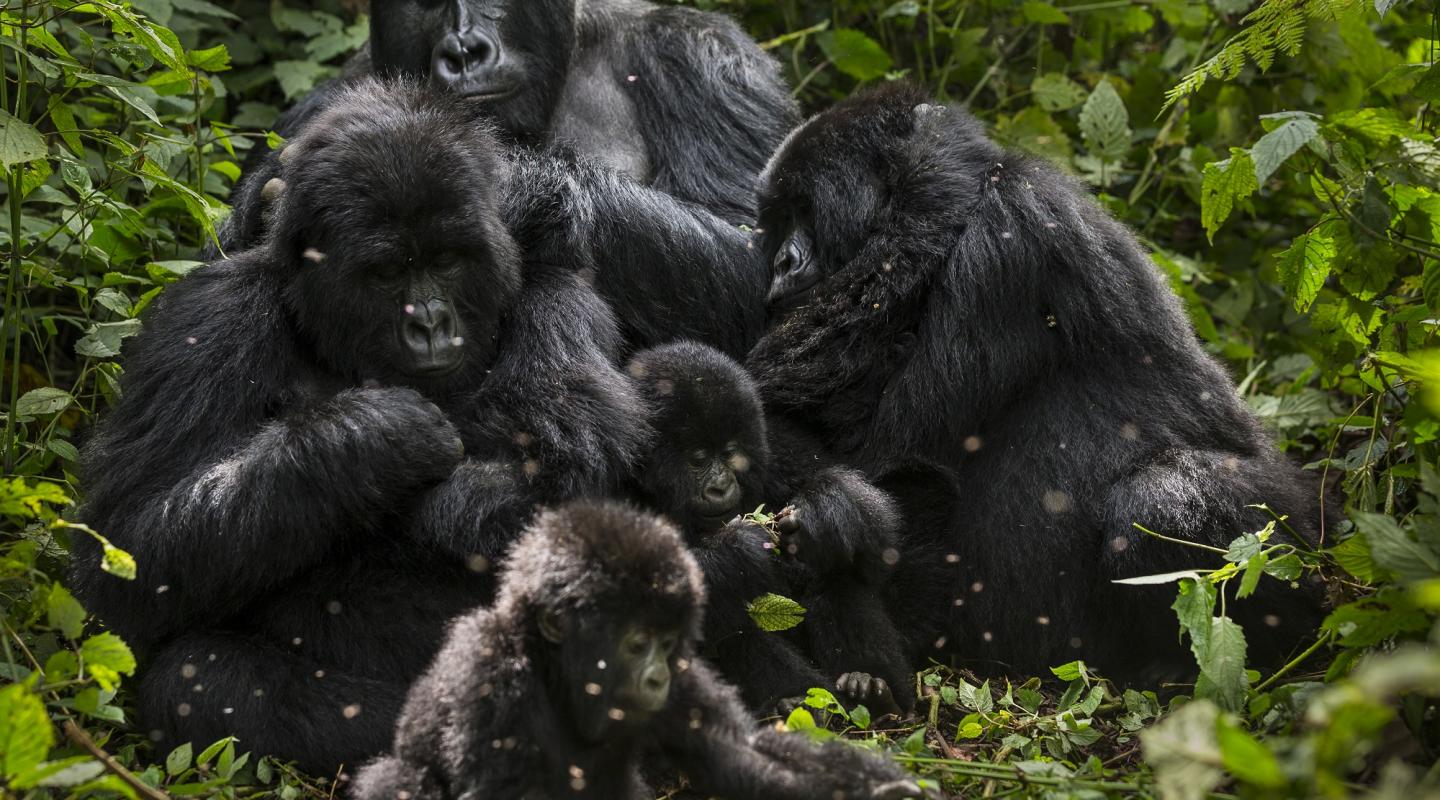
Mountain Gorilla
Population: 1000
Description: The Mountain gorilla is a subspecies of the eastern gorilla, which lives in two isolated populations in the high-altitude forests up in the volcanic, mountainous regions of the Democratic Republic of Congo, Rwanda and Uganda, and in the Bwindi Impenetrable National Park of Uganda. The Virunga Landscape has a history of political instability along with high levels of poverty in the region. This poses a substantial threat to mountain gorilla numbers as people have moved into areas closer to these great apes for food, shelter and space—over 500,000 people live near mountain gorilla habitat at present.
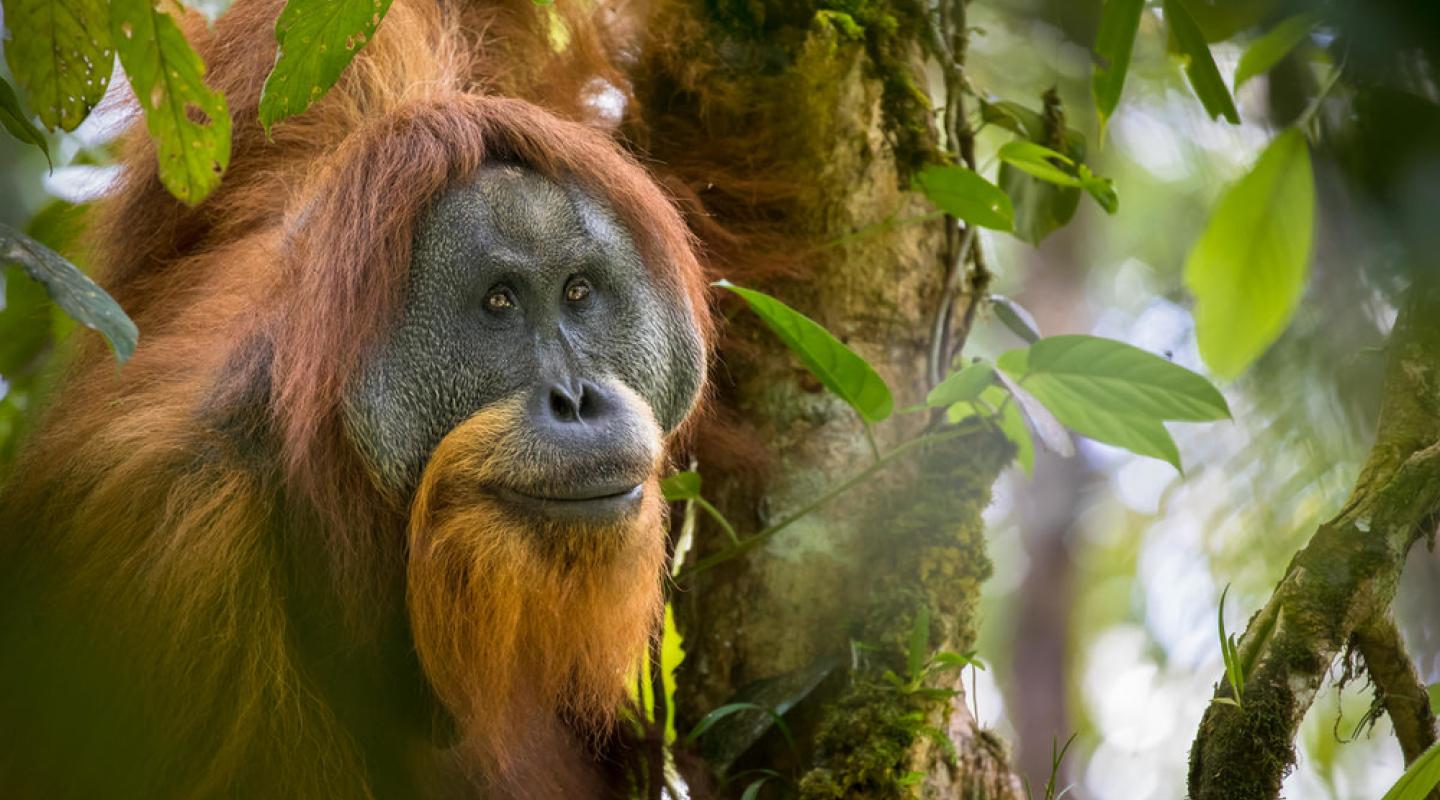
Tapanuli Orangutan
Population: 800
Description: The loss of habitat is one of the main threats to its survival as tropical forests are being replaced by agriculture, mining, and hydroelectric and geothermal development. Between 1985 and 2007, over 40% of the forests in the province of North Sumatra, where the Tapanali orangutan is found, were lost.
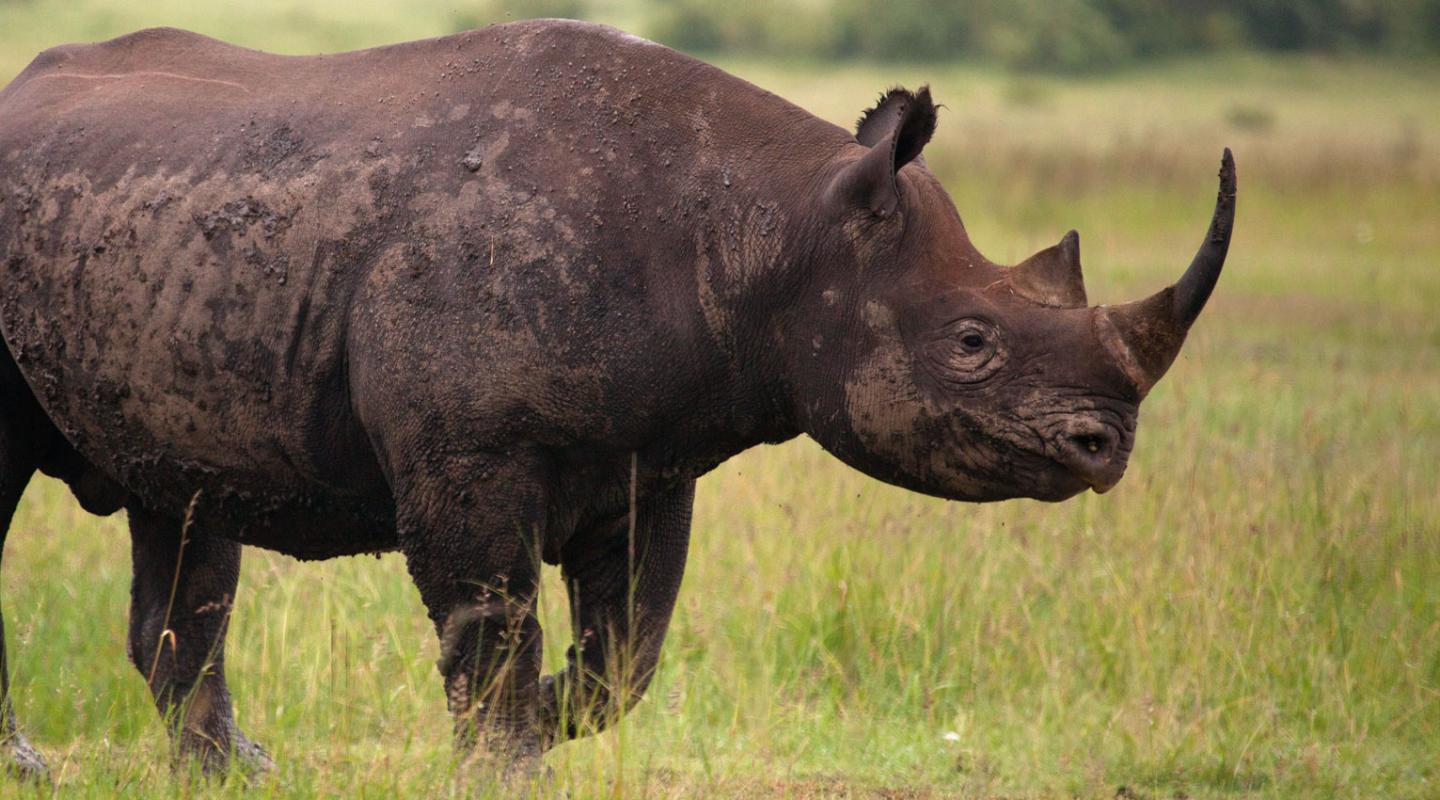
Black Rhino
Population: 5630
Description: Between 1960 and 1995, black rhino populations suffered dramatic losses in their numbers due to large-scale poaching. As rhino conservation took hold, their numbers have more than doubled across Africa since the 1990s. But, black rhinos are still listed as critically endangered by the IUCN, with around 5,630 individuals in the wild. Today, 95% of black rhinos are found in just four countries: Kenya, Namibia, South Africa and Zimbabwe. The biggest threat to the remaining population is still poaching for their horn—in the last 10 years, almost 10,000 African rhinos have been killed to supply the illegal rhino horn trade.
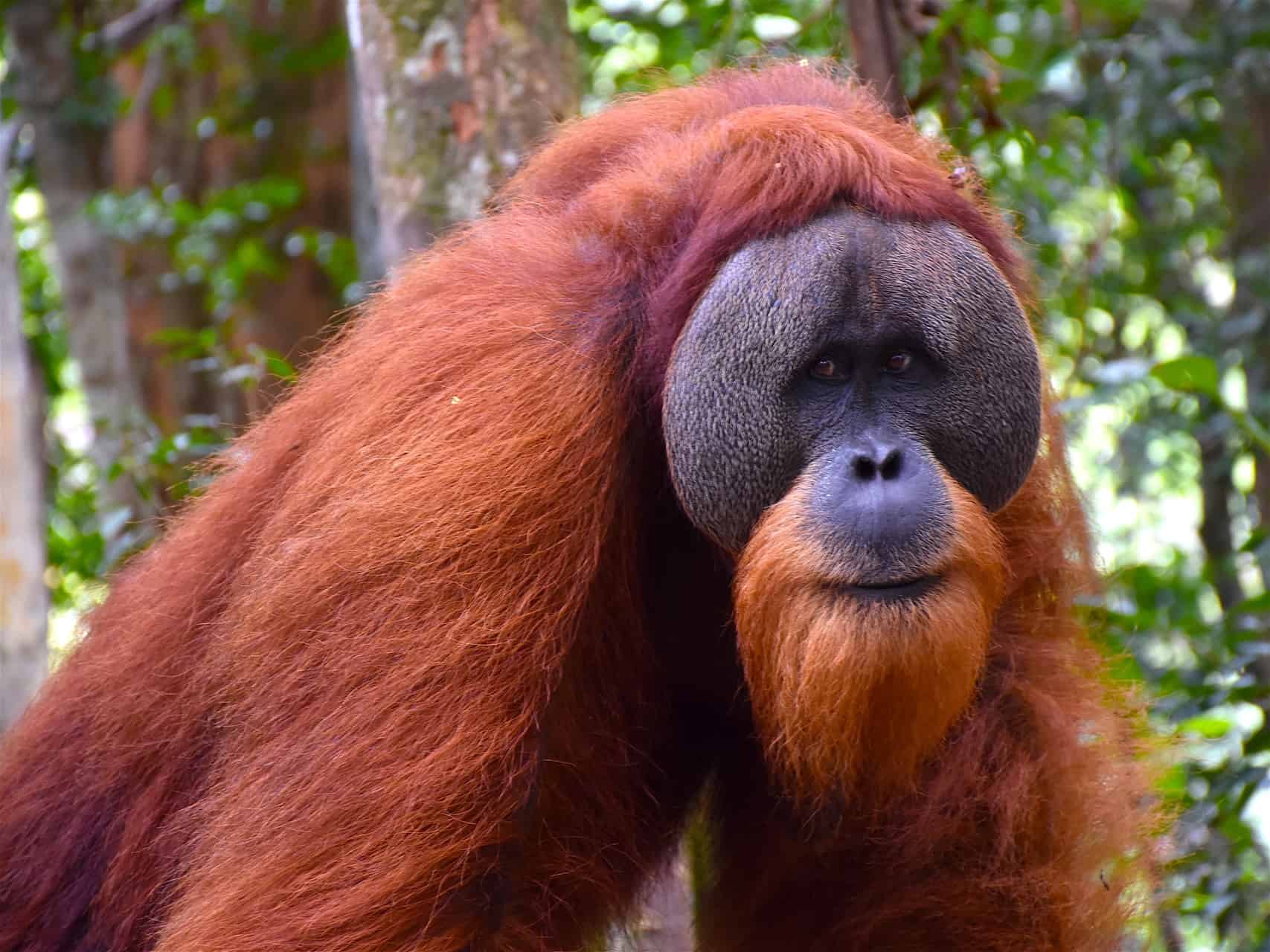
Sumatran Orangutan
Population: 14000
Description: Sumatran orangutans face similar threats to their Bornean and Tapanuli counterparts. From logging, agricultural plantations, and expanding infrastructure development to the illicit pet trade. Orangutans need vast tracts of connecting forest to live in but between 1985 and 2007 these great apes lost 60% of their forest habitat. Today the majority of these orangutans are found in the northernmost tip of Sumatra in the Leuser Ecosystem, a landscape that includes tropical lowland rainforests and steamy peatland swamps.
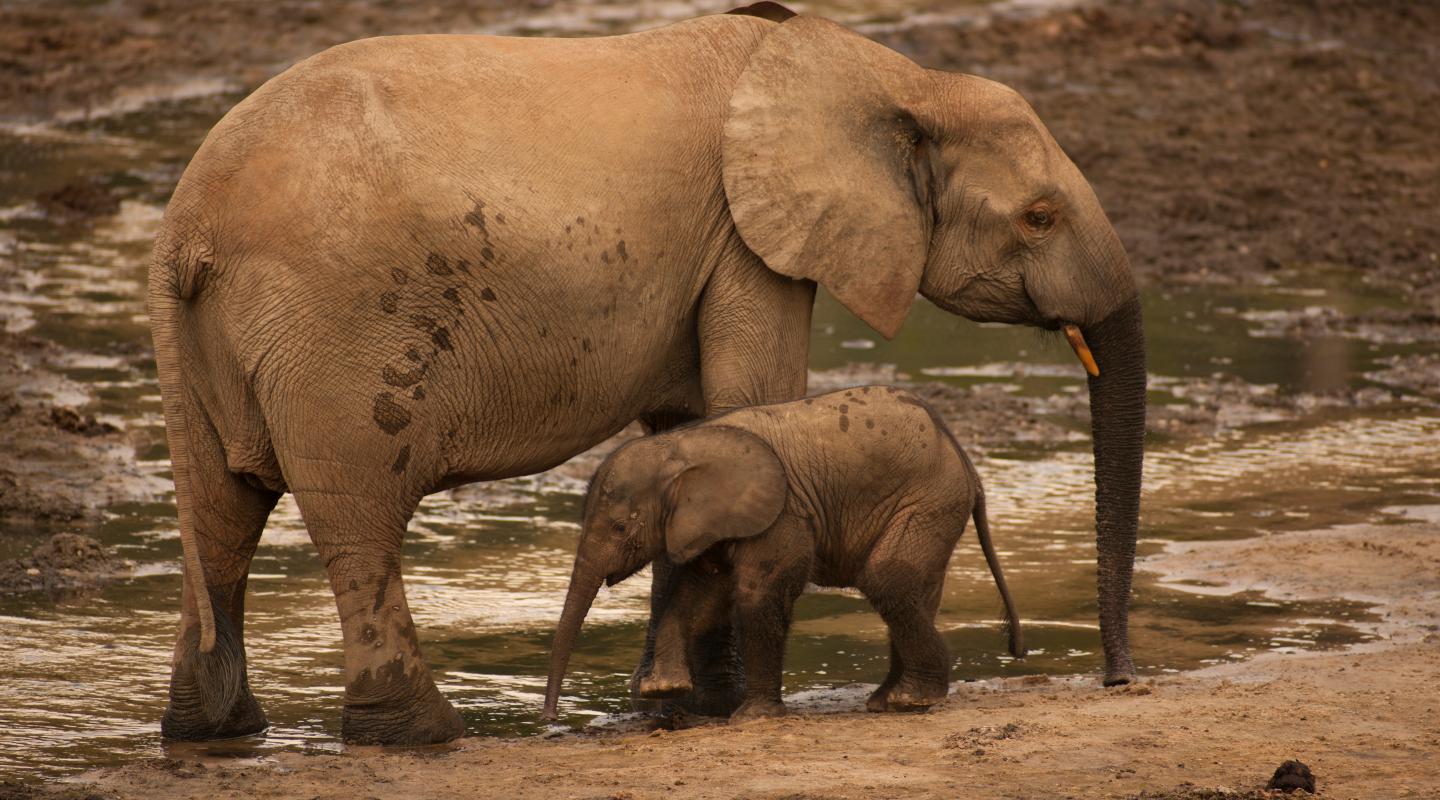
African Forest Elephant
Population: 150000
Description: The main reason behind the decline is due to poaching, which is frequent, widespread and intensive, especially in Central Africa. As well as elephant poaching, habitat loss and land-use change for agriculture and other land uses have resulted in fragmented habitats and increasing human-elephant conflict leading to losses on both sides. Today, African forest elephants occupy around 25% of their historic range, scattered among 20 different African nations, mostly in Gabon and the Republic of Congo.